
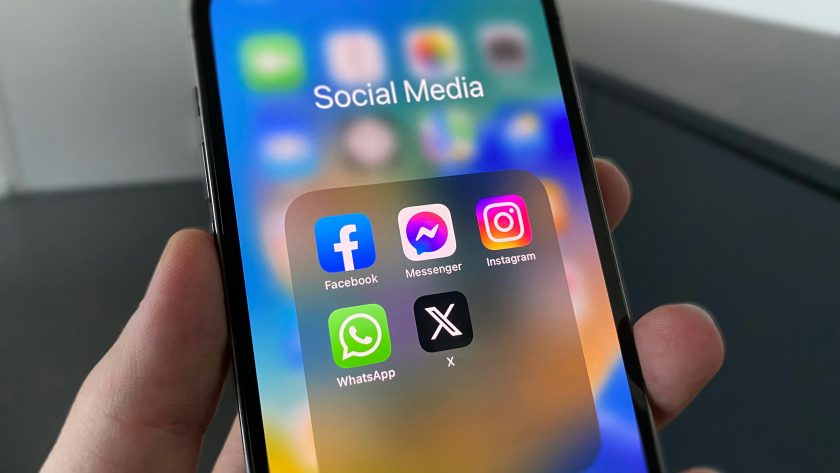
The Indian Premier League (IPL) has always been about more than just cricket. It’s about spectacle, drama, and entertainment on a massive scale. And in recent years, social media has become an integral part of that experience.
From live updates to behind-the-scenes access, fans can now engage with the game like never before. But as we bask in the glow of this digital revolution, it’s worth asking: what does it mean for our relationship with cricket itself?
The Rise of the Digital Fan
According to a recent survey by the Board of Control for Cricket in India (BCCI), over 70% of IPL fans use social media to stay up-to-date on the latest scores, news, and analysis. And it’s not just about keeping tabs on the game – fans are now interacting with each other, sharing their own experiences, and even influencing the way teams market themselves.
Take, for instance, the rise of influencer marketing in cricket. Teams like the Mumbai Indians and Chennai Super Kings have partnered with popular social media personalities to promote their brands and reach a wider audience. It’s a move that’s paying dividends – fan engagement is at an all-time high, and ticket sales are booming as a result.
The Changing Face of Cricket Journalism
But social media isn’t just changing the way fans engage with cricket – it’s also revolutionizing the way we consume news and analysis. Gone are the days of print newspapers and late-night TV broadcasts; today, we can get breaking news, expert opinions, and in-depth analysis at our fingertips.
Twitter, in particular, has become a hub for cricket journalists and analysts to share their thoughts on the game. With over 10 million followers, platforms like ESPNcricinfo and Cricbuzz are now household names – and they’re not just limited to print media anymore.
The Impact on Cricket’s Traditional Powerhouses
But as social media continues to disrupt the cricket ecosystem, there are concerns about its impact on traditional powerhouses. Will established teams like the India national team be able to adapt to this new landscape, or will they find themselves left behind?
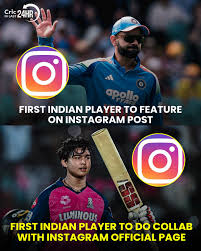
Take, for instance, the example of Virat Kohli – one of the most followed cricketers in the world. While he’s always been a social media savvy player, his recent struggles on the pitch have sparked intense debate among fans and analysts alike. And with over 100 million followers on Instagram alone, it’s clear that social media has become an integral part of his public persona.
The Future of Cricket in the Digital Age
So what does this all mean for the future of cricket? Will social media continue to democratize the game, making it more accessible and engaging than ever before?
Or will it create new challenges – like concerns over fan safety, match-fixing, and player well-being?
One thing’s for sure: as we navigate this brave new world of cricket, one thing remains constant – our love for the game itself. Whether we’re watching from a packed stadium or glued to our screens at home, there’s no denying that social media has changed the way we experience cricket forever.