
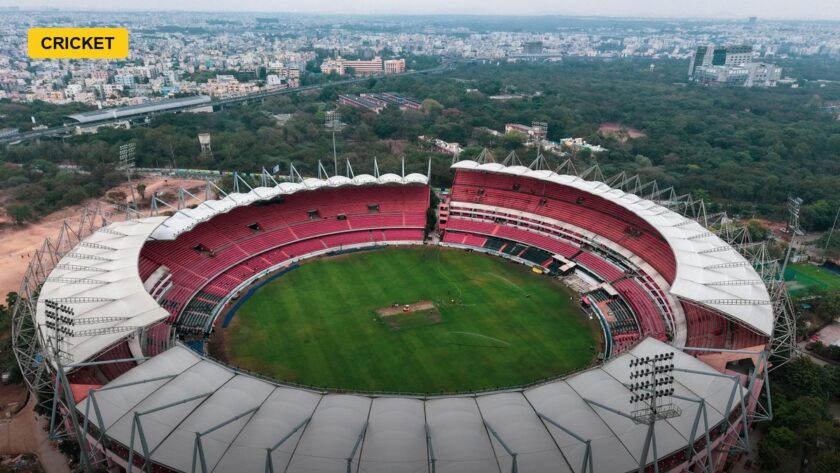
India’s domestic cricket season got underway with Ranji Trophy matches beginning October 11, part of a 2026-27 calendar the BCCI announced in May that packs together India’s first-class, white-ball and T20 domestic competitions alongside the men’s national team’s home international schedule, which includes Test matches against Australia and broader multi-city action across formats.
Why the Ranji Trophy Still Matters
Despite the commercial dominance of T20 cricket and the IPL specifically within Indian cricket’s broader economy, the Ranji Trophy remains the primary first-class proving ground through which domestic batters and bowlers establish the technical credentials that lead to national selection, particularly for Test cricket. For young and fringe players hoping to break into India’s national setup, a strong Ranji Trophy season carries selection weight that T20 performances alone, however eye-catching, typically cannot fully replace.
International Cricket Returns to Bengaluru
The 2026-27 home season brings international cricket back to Bengaluru as part of a broader schedule described as featuring 22 games across 17 venues, a geographic spread that reflects the BCCI’s longstanding practice of rotating major international fixtures across India’s numerous international-standard stadiums rather than concentrating matches in a small handful of metro venues, a strategy that spreads economic benefit and fan access across a wider swath of the country.
The Australia Test Series Centerpiece
Test matches against Australia anchor the international portion of the home season, continuing one of world cricket’s most closely watched rivalries, which has in recent years featured tightly contested series with significant World Test Championship implications given both teams’ consistent presence near the top of the WTC standings. How India performs against Australia at home will carry direct weight for India’s path toward any future WTC final berth.
Balancing a Crowded Calendar
Running the Ranji Trophy’s first-class season alongside an international home season against Australia, plus the multi-city action the BCCI has described across other formats, requires careful coordination to ensure contracted international players can fulfill national duty commitments while uncapped and fringe players get meaningful Ranji Trophy opportunities to stake selection claims — a scheduling balancing act that has grown more complex as India’s cricket calendar has expanded across more formats and more simultaneous competitions than in earlier eras.
What State Associations Are Watching For
For India’s state cricket associations, who organize and host Ranji Trophy matches at the regional level, the tournament represents both a player development pipeline and a meaningful revenue and visibility opportunity, particularly for venues and associations outside India’s largest metro markets that may host fewer high-profile international matches during a given season.
What’s Next
As Ranji Trophy group-stage matches progress through the season, selectors will be watching for standout performances that could influence India’s Test squad composition for the Australia series and beyond, continuing the tournament’s traditional role as a selection proving ground even in an era increasingly dominated by white-ball cricket’s commercial gravity. The international home season’s Bengaluru fixtures and broader multi-city Test schedule will provide the more visible, commercially significant counterpart running in parallel through the same window.
Photo: Raj Manohar / PEXELS via Pexels