
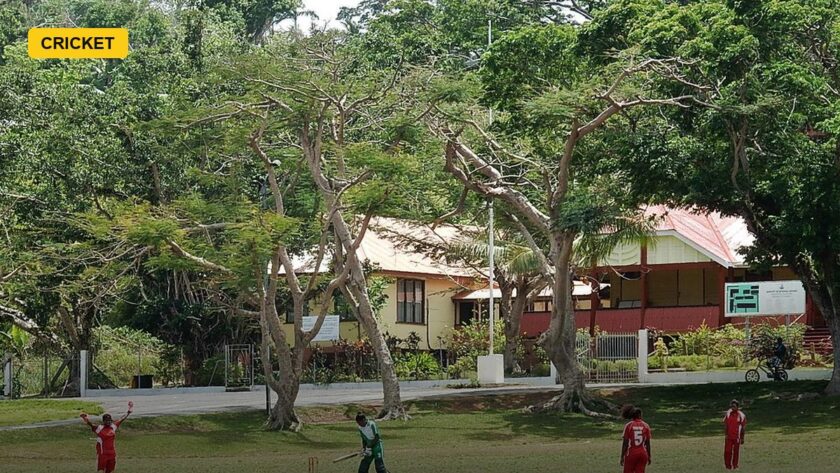
India’s women’s national cricket team is hosting Zimbabwe for the first time in a white-ball series this October, a fixture the BCCI announced back in May as part of its ongoing effort to diversify the range of international opponents its women’s program faces across the bilateral calendar.
Why a “Maiden” Series Matters
A first-ever bilateral series between two national teams is notable less for any single match result and more for what it signals about the broader growth of women’s international cricket: as more cricket boards invest in their women’s programs, previously uncommon pairings like India and Zimbabwe become commercially and competitively viable in a way they weren’t when fewer boards prioritized women’s cricket scheduling at all. For Zimbabwe’s women’s program specifically, facing India — one of the sport’s most cricket-mad nations with correspondingly higher-intensity broadcast and fan attention — represents a significant step up in exposure regardless of the series outcome.
India’s Broader Women’s Scheduling Strategy
This series fits into a pattern of India’s women’s team expanding its bilateral fixture list beyond the traditional core of England, Australia and other established cricketing nations, a strategy that mirrors how India’s men’s program has historically used its commercial and competitive weight to extend international fixtures to developing cricket nations, helping grow the sport’s global footprint while also giving the Indian team itself varied match practice against different playing styles.
Zimbabwe’s Women’s Program on the Rise
Zimbabwe’s cricket board has faced well-documented governance and financial challenges in recent years, including scrutiny severe enough that the ICC convened an October board meeting specifically to help determine the national board’s future standing. Against that difficult institutional backdrop, continued international fixtures for Zimbabwe’s women’s team — rather than isolation from the global calendar — represent a meaningful vote of confidence in the playing program even amid broader administrative uncertainty surrounding the board overseeing it.
What India Gets Out of the Fixture
For India, hosting a team like Zimbabwe offers a lower-pressure environment to test squad depth, give fringe players extended game time, and experiment with tactical approaches without the intensity that accompanies marquee series against Australia or England — the kind of lower-stakes fixture that selectors often value precisely because it allows broader squad evaluation than a high-stakes series typically permits.
The Commercial Reality Behind Women’s Cricket’s Expansion
Broadcast and sponsorship interest in women’s cricket has grown substantially in recent years across multiple major markets, a trend that has made previously commercially marginal fixtures, including bilateral series against less heavily resourced cricket nations, more viable to schedule and broadcast than they might have been even five years earlier, when board-level investment in the women’s game lagged further behind the men’s game almost universally.
What’s Next
The series’ results will matter less for India, given the talent gap between the two programs, than for what they reveal about Zimbabwe’s women’s team development trajectory under continued international exposure. Expect continued expansion of India’s women’s bilateral fixture list in coming seasons as the BCCI looks to build out a more varied international calendar for its women’s program, following the template this Zimbabwe series represents.