
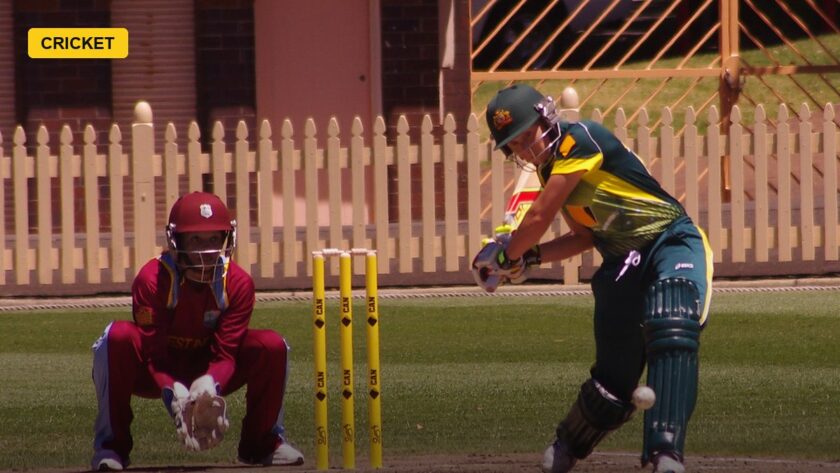
The Women’s Big Bash League began its 12th season on October 29, opening with a double-header at the Junction Oval featuring Melbourne Renegades Women against Sydney Thunder Women and Melbourne Stars Women against defending champions Hobart Hurricanes Women. The eight-team tournament runs through a finals series concluding on December 5, with the competition continuing to position itself as women’s cricket’s premier domestic T20 league even as rival competitions in India and England expand their own ambitions.
Hobart Enters as the Team to Beat
Hobart Hurricanes head into the new season as defending champions, carrying the pressure that comes with trying to repeat a title in a tournament that has historically rewarded squad depth and bowling variety over star power alone. Successfully defending a WBBL title has proven difficult in the league’s history, with few franchises managing back-to-back championships, making Hobart’s title defense one of the season’s central storylines regardless of how individual players perform.
Key Signings Reshaping the Competitive Balance
Perth Scorchers have bolstered their bowling attack with the signing of Fatima Sana, the Pakistan all-rounder whose pace and lower-order hitting give the franchise another genuine match-winner to pair with their existing core, while Sydney Thunder have brought back English seamer Lauren Bell for the 2026 season after she featured for the club previously. Melbourne Stars, meanwhile, have moved to appoint a new head coach ahead of the campaign, a leadership change that will be closely watched given the club’s recent on-field struggles relative to the league’s traditional powerhouses.
A Notably Thin Indian Presence This Season
Yastika Bhatia stands as the only Indian international player featuring in this year’s WBBL, a marked contrast to previous seasons and a pattern that reflects the Women’s Premier League’s growing pull on India’s top talent, along with scheduling conflicts that have made it harder for BCCI-contracted players to commit to overseas franchise cricket during the WBBL window. That scarcity of Indian stars removes one of the marketing draws international broadcasters have historically relied on to build interest among South Asian audiences specifically.
The Broader Context: Competition From Rival Leagues
WBBL’s position as women’s cricket’s leading domestic competition faces increasing competition from India’s Women’s Premier League and England’s Hundred, both of which have grown their commercial footprint and player payments rapidly since launching, prompting Big Bash League’s chief executive to publicly defend WBBL’s standing as the format’s top league even as questions persist about whether Cricket Australia can continue matching the financial growth trajectory of its newer rivals.
Scheduling and Format Debates Continue
Sources differ on some scheduling details for this WBBL season, including the exact start date and total match count, reflecting the kind of late-stage fixture adjustments that have become common across T20 leagues as they compete for broadcast windows and venue availability against an increasingly crowded global cricket calendar. Those logistical challenges are likely to intensify further as more countries launch their own women’s T20 franchise competitions in the coming years.
What’s Next
With group-stage matches running through late November before a three-match finals series concludes the season on December 5, Hobart’s title defense, Perth’s bolstered bowling attack, and Melbourne Stars’ coaching change will all be central storylines to track as the competition unfolds. The season’s broader significance will also be measured in how WBBL’s broadcast numbers and player signings compare against the Women’s Premier League and the Hundred, a comparison that will shape how Cricket Australia invests in the league going forward.