
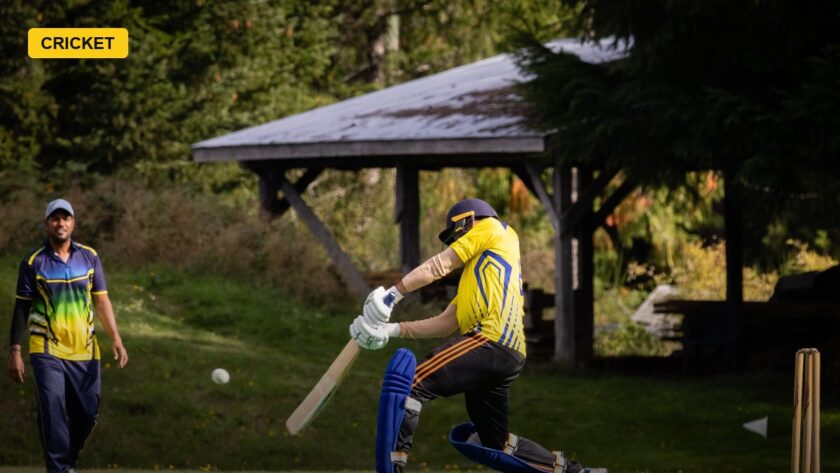
India and New Zealand meet for the second match of their five-match ODI series at Wellington’s Sky Stadium on November 7, following a rain-affected opener at Eden Park in Auckland that kicked off the tour on November 4. The series, India’s first multi-match ODI assignment since naming split squads for the 50-over and T20I formats, marks the competitive return of both Rohit Sharma and Virat Kohli to one-day cricket after each was rested from India’s most recent white-ball assignments.
A Five-Match Series Spanning the North Island
The series runs across five venues over roughly two weeks, opening at Eden Park in Auckland on November 4 before moving to Wellington for the second match, continuing to Seddon Park in Hamilton for the third fixture on November 10, and concluding with matches further north including a final game at Bay Oval in Tauranga on November 15. That compressed scheduling, with matches roughly every three days, is typical of modern bilateral white-ball tours squeezed into increasingly congested international calendars.
Split Captaincy Reflects India’s Broader Transition
Shubman Gill and Shreyas Iyer have been named to lead India’s split squads across the tour’s different formats, a structure that reflects the Indian team management’s ongoing transition toward distributing leadership responsibilities across multiple players rather than concentrating captaincy duties in a single figure, as has traditionally been the case. That approach gives selectors more flexibility to manage workload across a congested international calendar while also testing multiple players in leadership roles ahead of future assignments.
Rohit and Kohli’s Return to the 50-Over Fold
Both Rohit Sharma and Virat Kohli returning to ODI cricket for this series carries added significance given each player’s uncertain white-ball future has been a recurring storyline in Indian cricket coverage over the past year, with selectors and team management repeatedly facing questions about succession planning at the top of India’s batting order. Their participation in a bilateral series against New Zealand, rather than a marquee ICC tournament, suggests the team management wanted match practice in a lower-stakes environment before committing to longer-term selection decisions.
Broadcast and Viewership in India
The series is being broadcast in India on the Sony Sports Network, with streaming available through the SonyLIV app and website, continuing the established broadcast arrangement for India’s bilateral cricket tours. That distribution ensures the series reaches India’s massive domestic cricket audience despite the matches being played in New Zealand’s early-morning hours relative to Indian Standard Time, a scheduling reality that has shaped how Indian broadcasters package overseas tours for domestic audiences.
Weather an Early Factor in the Tour
Rain affected the series opener at Eden Park, a reminder that New Zealand’s variable spring weather conditions are a persistent factor in scheduling and strategy for touring sides during this time of year, often forcing rain-rule calculations or reduced-overs contests that can significantly alter a match’s tactical dynamics. How the remaining fixtures hold up against similar weather risk will be worth watching as the series moves between venues with different microclimates across New Zealand’s North Island.
What to Watch in Wellington
Sky Stadium in Wellington is known for swirling winds that can significantly affect both swing bowling and outfield fielding, conditions that have historically produced some of the more unpredictable matches on New Zealand’s international cricket calendar. With the series still level after a weather-disrupted opener, the Wellington fixture offers both sides a chance to establish momentum heading into the remaining three matches of the tour.
New Zealand’s Own Selection Questions
New Zealand enter the series with selection questions of their own, having rotated personnel across recent white-ball assignments as the team balances experienced campaigners with newer players being integrated ahead of future ICC events. How the home side’s combination performs against a touring Indian squad featuring the kind of batting depth Gill and Iyer’s split leadership structure is designed to showcase will offer an early read on New Zealand’s competitiveness heading deeper into the five-match series.
Bilateral Series as ICC Event Preparation
For both teams, this series doubles as preparation for upcoming multi-nation ICC tournaments, giving coaching staffs a chance to trial batting orders, bowling combinations and fielding strategies against quality opposition without the elimination stakes of a knockout tournament format. The data gathered from these five matches, spanning venues with genuinely different conditions across New Zealand’s North Island, will likely inform both squads’ final selection decisions well beyond this series alone.
Photo: Lorien le Poer Trench / PEXELS via Pexels