
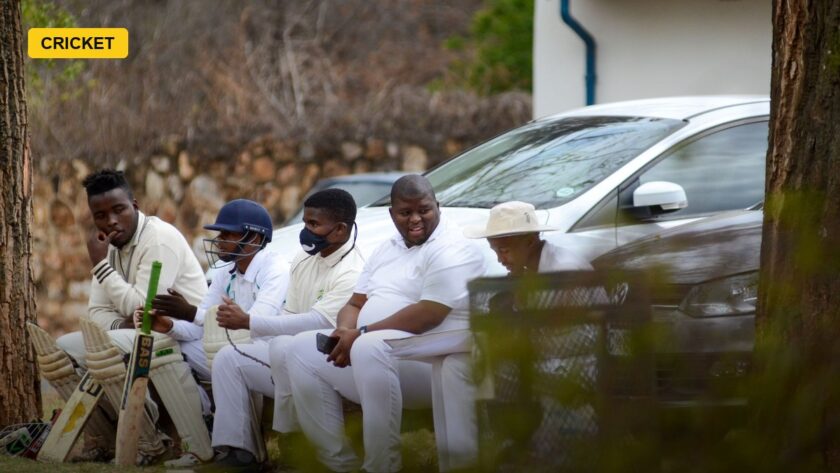
Australia have named notably fresh-faced squads for their upcoming white-ball series against England, resting senior fast bowling trio Pat Cummins, Mitchell Starc and Josh Hazlewood entirely from both the ODI and T20I squads. In their place, selectors have turned to a new generation of players, with Mahli Beardman, Oliver Peake and Jack Edwards all included in the ODI squad and Sam Harper and Lachlan Shaw earning their maiden international call-ups.
Why Australia Is Resting Its Biggest Stars
The decision to rest Cummins, Starc and Hazlewood reflects Australia’s increasingly deliberate approach to managing its most valuable and often injury-prone fast bowling resources across an increasingly congested international calendar. With South Africa having just completed a hard-fought Test series on Australian soil and further major assignments on the horizon, selectors have evidently judged that preserving their premier pace bowling trio’s fitness for future Test cricket outweighs the benefit of fielding them in a bilateral white-ball series against an England side itself missing several key personnel.
The New Faces Getting Their Chance
Sam Harper and Lachlan Shaw’s maiden call-ups give Australia’s selectors a chance to assess depth beyond the established core of the national team, a strategy increasingly common among white-ball squads during bilateral series that don’t carry World Cup or major tournament stakes. Mahli Beardman, Oliver Peake and Jack Edwards’ inclusion in the ODI squad similarly reflects a broader selection philosophy of using lower-stakes bilateral fixtures to develop depth and provide experience to players who might otherwise struggle to break into a more settled, senior-heavy lineup.
How This Compares to England’s Own Squad Gaps
Australia’s fresh-faced approach mirrors, in some ways, the selection challenges facing tourists England, who will also be missing key personnel including captain Jos Buttler, recovering from hamstring surgery, and bowler Saqib Mahmood, sidelined with a knee injury. With both sides fielding squads missing significant senior personnel, the series takes on something of a proving-ground character for both nations’ emerging talent, even as it remains an official bilateral series with ranking points implications.
The Broader Selection Philosophy at Play
Australian cricket has increasingly embraced a model of treating bilateral white-ball series, particularly those outside major ICC tournament windows, as development opportunities for fringe players rather than occasions requiring the full-strength senior squad every time. This approach carries risk — fielding an inexperienced squad against any Test-playing nation carries some chance of embarrassing results — but reflects confidence that Australia’s deep talent pool can field competitive sides even without its most recognizable stars.
Two Views on the Selection Strategy
Supporters of Australia’s approach argue that resting key bowlers ahead of a congested future schedule represents prudent long-term squad management, and that blooding new talent like Harper and Shaw in lower-stakes bilateral cricket builds valuable depth for future tournament selection decisions. Critics note that fielding an understrength squad risks diminishing the competitive quality and fan interest in what remains an official international series, and that too much squad rotation across bilateral cricket could make it harder for selectors to build cohesive, settled lineups ahead of major tournaments.
What’s Next
How Australia’s new faces perform against England’s own reshuffled squad will offer selectors valuable data points on squad depth heading into future tournament selection decisions, with the series opening in Perth and running through Adelaide and Hobart for the ODI leg before the T20I series begins in Melbourne.
Photo: Steward Masweneng / PEXELS via Pexels