
The ICC Board has permanently adopted the leg-side wides rule that had been trialed across international cricket earlier this year, closing the book on a tweak designed to stop batters exploiting exaggerated wide calls against balls landing between leg stump and a marker line defining a batter’s normal reach. The decision, made at a board meeting in Ahmedabad, arrived alongside approval for teams to mutually agree to use a pink ball in Test matches when fading light threatens to interrupt play, part of a broader package of law changes adapted from the Marldon Cricket Club’s 2026 code that took effect October 1.
What the Leg-Side Wides Rule Actually Changes
Before the trial, umpires frequently called wide on deliveries that passed down the leg side even when a batter, standing in a conventional stance, could reasonably have reached them, a pattern that increasingly rewarded batters who shuffled across their stumps specifically to draw a wide call. Under the new permanent law, deliveries landing between the leg stump and a defined marker line are now judged based on where a batter would stand in a normal stance, removing the incentive to manufacture extra deliveries and free runs through pre-meditated movement. The change followed a trial period during which umpires and match officials reported the rule had measurably reduced contentious wide calls in franchise and international cricket alike.
The Logic Behind the Pink-Ball Option
Permitting pink-ball use in Test matches by mutual agreement when poor light is forecast addresses a long-standing frustration in the format: matches halted or significantly shortened by bad light, even when conditions would otherwise allow play to continue under a ball more visible in dim conditions. Day-night Test cricket using pink balls has existed for roughly a decade, but this change goes further, allowing even traditional day Tests to switch balls mid-match if both teams agree light is becoming a genuine concern, a flexibility previously unavailable under the laws.
Part of a Wider Package of Law Changes
The leg-side wides and pink-ball provisions arrived as part of a broader slate of changes tied to the Marylebone Cricket Club’s most recent law revisions, which took effect across the sport from October 1. MCC law updates typically touch on a range of playing-condition details, from front-foot no-ball enforcement to concussion substitute protocols, and the ICC’s adoption of this cycle’s changes reflects the governing body’s practice of generally aligning international playing conditions with the MCC’s periodic law revisions rather than developing entirely separate rule sets.
How Players and Boards Have Reacted
Bowlers and bowling coaches have broadly welcomed the leg-side wides change, arguing it removes an artificial run-scoring avenue that had crept into limited-overs cricket in particular, where tight margins make even a handful of extra wides consequential. Some traditionalists within the sport have voiced more caution about pink-ball Tests becoming more common outside the day-night format they were originally designed for, worried that mid-match ball changes could introduce inconsistency in how a Test unfolds, since pink and red balls are understood to behave differently in terms of seam movement and visibility deterioration over a match’s duration.
Context Within a Busy Year for ICC Governance
The rule changes came during a period of broader governance activity for the ICC, which also suspended Cricket Canada’s membership earlier this year over serious breaches of its obligations and has been managing a reshaped global qualifying structure for upcoming T20 World Cups. That backdrop reflects a governing body currently active on multiple fronts simultaneously, from playing conditions to member-nation discipline, as it works to standardize the sport’s rules while also managing disputes among its full and associate members.
What’s Next
With the leg-side wides law now permanent and pink-ball flexibility newly available, the next phase will involve seeing how frequently teams actually invoke the pink-ball option during upcoming Test series, including the ongoing India-New Zealand tour, where day Tests at Wellington and Christchurch could become early test cases for the new flexibility if light becomes an issue. Umpires and match officials will also be watched closely in the coming international season to see whether the leg-side wides change has fully eliminated the contentious calls it was designed to prevent, or whether further refinement proves necessary.
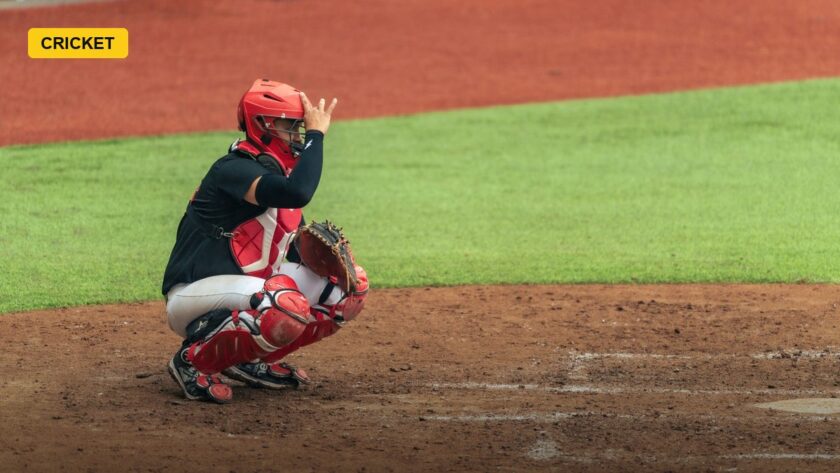
Photo: Israel Torres / PEXELS via Pexels