
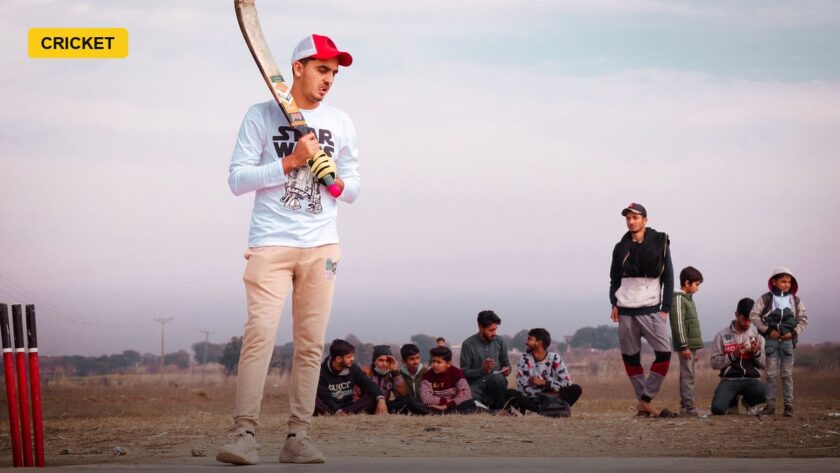
Rahmat Shah has become the first Afghanistan batter to break into the top 10 of the ICC Men’s Test Batting Rankings, jumping six places to seventh after a match-defining innings of 173 against Zimbabwe, a milestone that Afghanistan Cricket Board officials and former players have described as validation for a Test program barely a decade old.
The Innings That Moved the Needle
Shah’s 173 came in conditions that have generally favored bowlers in recent Afghanistan-Zimbabwe fixtures, and the scale of the innings was enough to vault him past several established names in the latest update to the rankings, released in the first half of November. The knock anchored Afghanistan’s innings through periods when partners came and went at the other end, the kind of situation selectors and coaches have repeatedly pointed to as evidence of the batter’s growing maturity in the longest format.
Shah batted for close to seven hours in total, facing well over 250 deliveries by the time he was finally dismissed, a workload that teammates said reflected months of extra fitness work specifically aimed at extending his concentration through long periods at the crease rather than just adding power to his shot-making.
A First for Afghan Cricket
No Afghanistan player has previously featured in the top 10 of any ICC Test ranking category, a reflection of how young the country’s Test status still is relative to the other nine full members who held it before Afghanistan’s elevation. The achievement carries symbolic weight for a board that has had to build its five-day program largely around a core of multi-format players who split time between Test cricket and the T20 leagues that remain the sport’s main revenue driver for Afghan cricketers.
Afghanistan Cricket Board officials were quick to publicize the milestone on social media, framing it as evidence that investment in red-ball infrastructure over the past five years, including a dedicated high-performance center, is beginning to produce results at the elite level rather than just at the domestic tier.
Context Within the Rankings
Shah’s rise to seventh puts him above several batters from longer-established Test nations, with Rishabh Pant and Shubman Gill the only two Indians to retain places inside the top 10 in the same update. The rankings movement was otherwise relatively stable at the top, which made Shah’s jump stand out as the most significant change in the latest cycle, according to the ratings released around mid-November.
Statisticians noted that six places is among the largest single-update jumps recorded for any batter so far this year, a reminder of how heavily ICC’s ratings system weighs big centuries against the overall difficulty of conditions and opposition strength at the time they were scored.
Two Views on What It Means
Supporters of Afghanistan’s rapid rise through Test cricket point to Shah’s ranking as proof that the format can take root even in a cricket economy dominated by T20 franchise money, arguing the achievement should prompt more bilateral fixtures for a team that still plays far fewer Tests per year than its full-member peers. Skeptics counter that one dominant innings against a Zimbabwe attack that has struggled for consistency does not by itself prove Afghanistan’s batting depth has caught up to the rest of the Test-playing world, noting that Shah’s support cast still shows wide variance in output from match to match.
Both camps agree on one point: Afghanistan’s fixture list remains the limiting factor. With only a handful of Tests scheduled against top-eight nations over the next two years, selectors have limited opportunities to prove whether Shah’s milestone reflects a genuine shift in the team’s overall competitiveness or remains an outlier tied to one innings against a weaker attack.
Looking Ahead
Afghanistan’s challenge now is converting individual milestones like Shah’s into a more settled Test calendar, something the board has lobbied the ICC for in recent cycles given how few five-day fixtures are scheduled against top-tier opposition. If Shah can sustain his current form into Afghanistan’s next assignments, selectors and administrators will have a stronger case for arguing the country’s Test status deserves a fuller fixture list rather than the sporadic series it has relied on so far.
For now, the milestone stands as a rare bright spot administrators can point to in public pitches for more fixtures, and teammates say Shah himself has downplayed the individual achievement, telling reporters after the innings that he hoped it would ‘open doors for more Test cricket for Afghanistan,’ rather than be remembered only as a personal landmark.
Photo: Sohail Nawaz / PEXELS via Pexels