
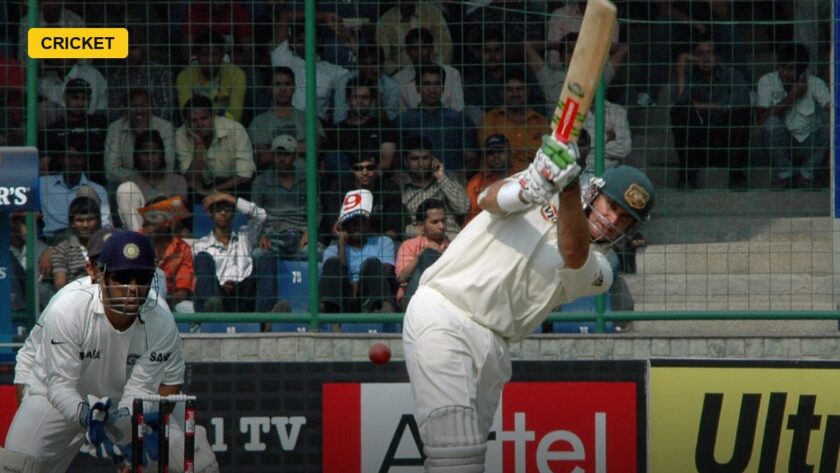
KL Rahul finally cracked a code that had eluded India’s top order for a generation: a Test century on New Zealand soil. Batting on day three of the series-opening Test at the Basin Reserve in Wellington, Rahul reached three figures off 207 deliveries and went on to 124 not out off 264 balls, with nine fours and a six, as India seized control of a match New Zealand had led for most of its first two days.
From 159-1 overnight to command by tea
India resumed day three at 159 for 1, still trailing New Zealand’s first-innings total of 368. What followed was a methodical dismantling of the hosts’ bowling attack. India added 80 runs without loss in the morning session to move to 239 for 1, then piled on 105 more in the afternoon session alone, reaching 344 for 2 at tea — just 24 runs behind New Zealand’s total with eight wickets still in hand. Devdutt Padikkal, playing what the match report described as a chanceless innings, fell for 80 off 175 balls after a 165-run stand with Rahul, narrowly missing what would have been his own maiden Test century. Captain Shubman Gill came in and raced to 36 not out off just 40 balls as New Zealand’s bowlers, Kyle Jamieson and Matt Henry among them, visibly tired — India plundered 56 runs in the 13 overs immediately after the second new ball was taken.
Why this century means more than the runs
Rahul’s hundred is being described in Indian cricket circles as historically significant beyond the immediate match situation. He becomes just the third Indian to score a century on his maiden Test innings in New Zealand, joining Sunil Gavaskar (116) and Surinder Amarnath (124) from India’s 1976 tour — a 50-year gap between centurions on debut-innings terms in the country. Rahul’s ton is also his 13th in Test cricket and completes a personal milestone: he is now the first Indian opener to score Test hundreds in all four so-called SENA countries — South Africa, England, New Zealand and Australia.
A tour built on untested batters
Heading into the series, the storyline around India’s top order was its inexperience in New Zealand conditions specifically. None of India’s frontline batters — Yashasvi Jaiswal, Rahul himself, Devdutt Padikkal, Gill, Dhruv Jurel or B Sai Sudharsan — had played a Test innings in the country before this tour, a fact New Zealand’s camp was reportedly banking on after arriving in Wellington fresh off a 2-1 series win in England. India also had not won a Test series in New Zealand since 2009, and were beaten 0-3 on their most recent tour of the country two years earlier.
The Basin Reserve’s history working against New Zealand
Ironically, India’s day-three surge came at a ground where their overall record is poor: just one win in eight previous Tests at the Basin Reserve, dating back to 1968, against five losses and two draws, including a 10-wicket defeat on their last visit in 2020. New Zealand arrived at the match ranked top of the World Test Championship standings on points percentage (72.22), with India fourth (51.52), adding context to why a strong Indian response in Wellington carries weight beyond this single Test.
The bowlers who set it up — and the one who didn’t get credit
New Zealand’s first-innings 368 had itself been built on a substantial partnership between Henry Nicholls and Glenn Phillips, who steadied the innings after early inroads from India’s pace attack. Jasprit Bumrah, playing his fifth Test against New Zealand, continued a modest record against this opponent specifically — he now has 9 wickets in those five matches at an average of 45.44 — even as his reputation as India’s spearhead has kept him central to the team’s bowling plans. New Zealand’s Kyle Jamieson, by contrast, arrived at the match as the fastest bowler in New Zealand’s history to 50 Test wickets, reaching the mark in just nine matches.
What’s left in this Test
With India 344 for 2 at tea on day three, a lead was within reach by the close of play, putting New Zealand’s bowlers — and a result that looked firmly in the hosts’ favor after day one — under real pressure heading into days four and five. A series-opening win in Wellington would hand India their first real foothold in New Zealand in years; a draw or defeat would extend a now 17-year wait for a series win in the country.
Photo: public.resource.org / BY via flickr