
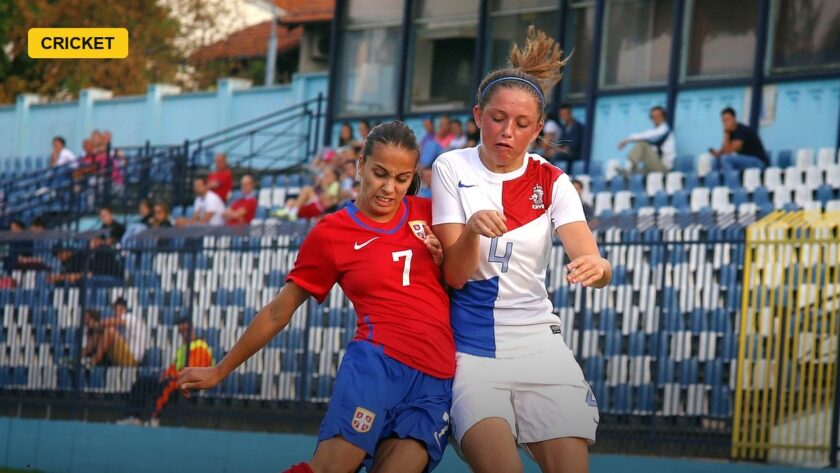
The ICC Women’s Emerging Nations Trophy is building toward its climax in Ajman, with matches scheduled through November 23 and the final set for November 25, part of a tournament structure specifically designed to give emerging women’s cricket nations competitive match exposure outside the sport’s established top tier. The event continues a broader ICC push to expand the depth and competitiveness of women’s cricket beyond the small handful of nations that have historically dominated the international women’s game.
What the Emerging Nations Trophy is designed to achieve
Unlike marquee events such as the Women’s T20 World Cup, which feature the sport’s most established teams, the Emerging Nations Trophy specifically targets women’s teams from countries still building their domestic cricket infrastructure and player pathways, offering a competitive tournament environment that can accelerate development in ways bilateral friendlies against stronger nations often cannot. The tournament’s existence reflects a deliberate ICC strategy of investing in tiered competition structures rather than concentrating resources solely on the sport’s most visible, established women’s cricket nations.
Why tournament depth matters for women’s cricket’s growth
Recent individual performances in emerging markets, including Brazil’s Laura Cardoso taking nine wickets in a T20I, illustrate the kind of standout individual talent tournaments like the Emerging Nations Trophy can help surface and develop, even if such performances occur outside the sport’s most heavily covered events. Building a genuine pipeline of competitive emerging nations matters for women’s cricket’s long-term global growth, since a sport concentrated among only a handful of elite nations faces structural limits on its appeal as a genuinely global, broadcast-worthy product.
How this fits the broader women’s cricket calendar
The Emerging Nations Trophy’s conclusion arrives alongside other significant women’s cricket developments, including India A’s women’s squads announced November 11 for a home series against England A across all three formats, with Pune’s Maharashtra Cricket Association Stadium hosting the T20 leg, and a separate five-match women’s T20I series between India and Sri Lanka scheduled for December. That density of concurrent activity across different competitive tiers, from emerging nations competition to A-team series to full international fixtures, reflects a genuinely busier overall women’s cricket calendar than existed even a few years earlier.
Competing views on investment priorities
Advocates for continued expansion of tournaments like the Emerging Nations Trophy argue that meaningful long-term growth in women’s cricket requires sustained investment in competitive opportunities for developing nations, even if these events draw smaller audiences than marquee fixtures involving established teams. Others within cricket administration argue resources might generate greater overall growth in the women’s game if concentrated more heavily on elevating the quality and commercial visibility of the top tier of established teams, on the theory that a strong, well-marketed elite product ultimately does more to grow the sport’s overall following and investment than tiered development tournaments.
What’s next
With the tournament final scheduled for November 25 in Ajman, attention will then shift toward the busy remainder of the women’s international calendar, including the India A versus England A series and the India versus Sri Lanka T20Is in December, as women’s cricket continues its push to expand both competitive depth and overall visibility across multiple tiers of international competition simultaneously.
Photo: 134213 / PIXABAY via Pixabay