
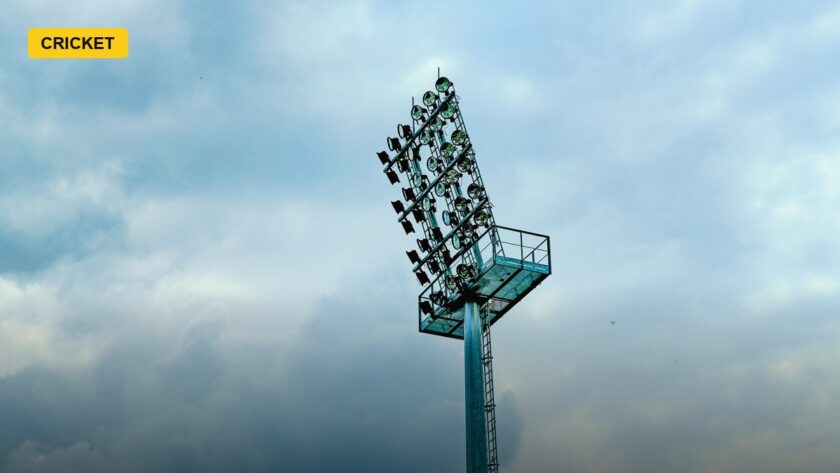
Cricket Australia has confirmed that the 2026-27 Big Bash League final will be played on January 26, restoring Australia Day as the tournament’s showpiece date for the first time since 2022. The announcement, made alongside the full BBL|16 fixture release, also brings back Christmas Eve cricket, a tradition the league had shelved in recent seasons as it experimented with alternative holiday-period scheduling.
A Calendar Built Around the Holidays
Under the new schedule, matches run almost every night from December 15 through the end of the regular season on January 17, with only Christmas Day itself kept free. Cricket Australia says the return of a December 24 fixture reflects feedback from broadcasters and fans who had treated Christmas Eve cricket as a fixture of the Australian summer before it disappeared from recent years’ calendars. The league’s eight teams will each play ten round-robin matches before the finals series begins.
Opening the Season in Chennai
BBL|16 will open on December 12 not in Australia but at the MA Chidambaram Stadium in Chennai, where defending champions the Perth Scorchers face the Melbourne Renegades in the competition’s first-ever match staged outside the country. Cricket Australia has framed the India fixture as a one-off experiment in growing the league’s audience rather than a permanent shift, with the remainder of the 40-plus-match season played across Australian venues as usual.
New Venues and a Rule Change
Junction Oval in Melbourne will host three matches this season after receiving a floodlight upgrade, giving Cricket Australia a new mid-sized venue option alongside the league’s established major stadiums. Players will also have to adjust to a new designated-batter and designated-fielder rule this season, a tweak Cricket Australia says is designed to sharpen tactical depth without slowing the format’s pace.
Broadcasters Welcome the Free-to-Air Return
Thirty regular-season matches and every final will screen live and free on Seven and its streaming service 7plus, a continuation of the broadcaster’s long-running arrangement with the league. Network executives have pointed to the Australia Day final slot as a ratings opportunity, since the public holiday has historically delivered some of the BBL’s largest audiences when the decider has landed on it in past seasons.
Two Views on the India Opener
Supporters of the Chennai fixture argue it positions the BBL to compete with the Indian Premier League and other franchise leagues for a global audience, giving Australian players and broadcasters exposure to one of cricket’s largest markets. Critics within Australian domestic cricket circles have countered that moving even one match offshore dilutes the “home and away” identity that has underpinned the Big Bash’s appeal since its 2011 launch, and worry it sets a precedent for further matches to migrate abroad in future seasons.
With the fixture list now locked in, attention turns to how Cricket Australia manages player workloads across a season that stretches from India in mid-December to an Australia Day final six weeks later, and whether the Christmas Eve slot delivers the crowds organisers are banking on.
A Season Expanding Its Footprint
Beyond the headline dates, Cricket Australia has used the BBL|16 release to signal a longer-term shift in how the league thinks about its calendar and geography. Officials have described the Chennai fixture not as a one-season novelty but as a template the board may revisit for future editions if the match draws strong crowds and television numbers, even as they insist the bulk of the competition will remain anchored to Australian venues for the foreseeable future. The decision to restore both the Australia Day final and Christmas Eve cricket in the same season suggests a broader recalibration toward the holiday-period scheduling that fans had responded to most strongly in the league’s earlier seasons, after several years of experimentation with alternative dates that organisers have since judged less successful.
Team officials across the league’s eight clubs have generally welcomed the clarity of a fixed, holiday-anchored calendar, noting that consistent scheduling from year to year makes it easier to plan player availability, particularly for overseas recruits balancing Big Bash commitments against other T20 leagues running in overlapping windows. The addition of Junction Oval as a third Melbourne-area venue also gives the two Melbourne franchises more flexibility in balancing crowd capacity against ticket demand, something both clubs have flagged as a persistent challenge when their marquee matches have previously been confined to larger stadiums with harder-to-fill capacity.
Photo: Egor Komarov / PEXELS via Pexels