
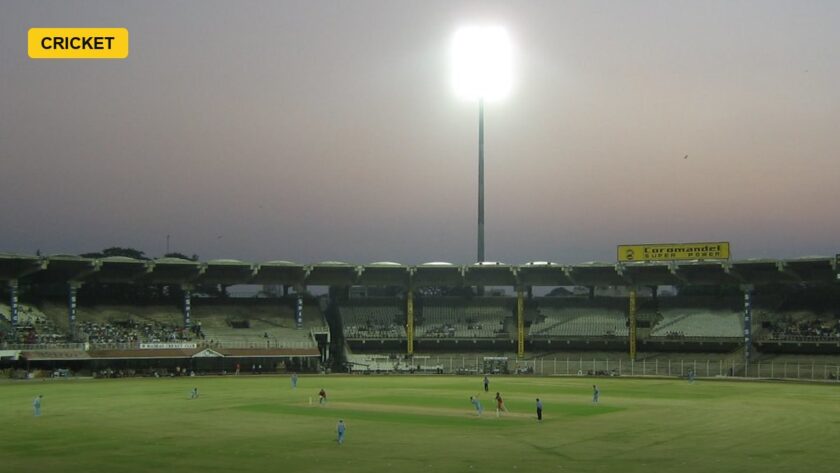
India claimed a 3-1 victory in its five-match ODI series against New Zealand, wrapping up on November 15 at Bay Oval, with stand-in captain Shreyas Iyer and head coach Gautam Gambhir guiding a side missing several first-choice players to a commanding series win across venues including Eden Park, Wellington’s Sky Stadium, Seddon Park, and Bay Oval.
How the Series Unfolded Across New Zealand
The five-match series, running from November 4 to 15, took India’s squad across four different New Zealand venues, a grueling travel schedule that tested squad depth and conditioning as much as cricketing skill, with matches at Auckland’s Eden Park, Wellington, Hamilton’s Seddon Park, and finishing at Bay Oval in Mount Maunganui. India’s 3-1 series result reflected consistent performance across varied conditions, from Eden Park’s smaller boundaries favoring aggressive batting to the more seam-friendly conditions historically associated with Seddon Park.
Shreyas Iyer’s Captaincy Under the Spotlight
With India’s first-choice limited-overs captain unavailable for the tour, Shreyas Iyer stepped into the leadership role for an away series against a historically difficult New Zealand side to tour, and delivering a series win in these circumstances significantly strengthens his case for an expanded leadership role in India’s broader white-ball setup heading toward major upcoming tournaments. Captaincy performance in away conditions against quality opposition is typically weighted heavily by selectors evaluating succession planning, making this series win a meaningful data point in Iyer’s growing leadership profile.
Gautam Gambhir’s Tactical Approach
As head coach, Gambhir has emphasized aggressive, high-intent batting approaches since taking over India’s coaching setup, a philosophy that appeared to pay dividends across this series as India’s batting lineup consistently posted competitive totals or chased down targets with time to spare across the venues visited. Gambhir’s coaching tenure has faced scrutiny following mixed results in other formats, making this series win in traditionally difficult New Zealand conditions an important result for his broader coaching record.
New Zealand’s Home Struggles Continue
For New Zealand, the series defeat continues a difficult stretch of home ODI form, raising questions about squad depth and consistency as the team looks ahead to its own World Cup 2027 preparations, having already secured direct qualification for the tournament as hosts’ neighboring cricket power but needing stronger recent form to build confidence heading into the global tournament. New Zealand’s selectors will likely face pressure to reassess personnel and tactical approaches following this series result against a weakened Indian touring squad.
What This Means for India’s World Cup Planning
India has already secured its place in the 2027 ODI World Cup as one of the sport’s established top-tier nations, meaning this series functioned more as squad depth evaluation and leadership succession planning than a results-driven necessity, giving selectors valuable data on fringe players’ performance under series pressure away from home conditions ahead of finalizing World Cup squad planning over the coming year.
What’s Next
Watch for the Board of Control for Cricket in India to assess whether Iyer’s successful stand-in captaincy translates into an expanded or permanent leadership role across formats, and for New Zealand Cricket to address the home form concerns this series defeat has exposed. Both teams now shift focus toward their respective 2027 World Cup preparation schedules, with this series providing an early data point for squad and leadership decisions that will solidify over the coming months.
How the Bowling Attack Performed Away From Home
India’s bowling unit, missing several frontline seamers rested for the tour, leaned heavily on a mix of spin options and emerging pace talent to restrict New Zealand’s batting across the middle overs, a key factor in converting competitive totals into series-clinching results. Selectors will take particular interest in how the squad’s second-string bowling attack adapted to New Zealand’s traditionally seam-friendly surfaces, since depth at the bowling crease has historically been a swing factor in away ODI series results for touring Indian sides.
Crowd and Broadcast Reception Across the Tour
Attendance and broadcast viewership across the four venues reportedly held up well despite both sides missing several marquee names, reflecting the continued commercial strength of India-New Zealand cricket fixtures regardless of specific squad composition, a dynamic that continues to make bilateral series between the two boards commercially attractive for broadcasters even when neither full-strength first-choice lineup is on display.