
The International Cricket Council has confirmed that the qualifying tournament for the 2027 Men’s Cricket World Cup will run from February 26 to March 21, 2027, co-hosted by South Africa and Namibia — a schedule that carries an unusual wrinkle, since Namibia, one of the three co-hosts of the World Cup itself alongside South Africa and Zimbabwe, is not guaranteed a place in its own tournament and must fight through the qualifier like everyone else.
How the Qualification Math Works
Under ICC rules for the 2027 edition, South Africa and Zimbabwe secure automatic qualification as Full Member co-hosts, and the top eight teams in the ICC ODI rankings at the cutoff date also go straight through. Namibia’s status as a co-host does not carry the same automatic entry that South Africa and Zimbabwe enjoy, a quirk of the qualification structure that has left the Namibian board publicly pushing for its players to perform rather than rely on hosting rights alone.
Why Namibia Is Genuinely at Risk
Namibia’s men’s team, while a regular fixture in ICC global events since its breakout 2021 T20 World Cup run, sits outside the guaranteed ODI ranking band and has had an inconsistent run of results in the Cricket World Cup League 2 structure that feeds into qualification. A report from South African outlet IOL in August 2026 explicitly flagged the co-host’s qualification as being in serious danger, underscoring that World Cup hosting rights and on-field qualification are determined by entirely separate ICC processes.
The Precedent and the Optics Problem
A co-host failing to qualify for its own World Cup would not be unprecedented in global sport, but it would be an awkward first for the ICC’s 50-over showpiece, raising logistical and commercial questions about ticket sales, local broadcast interest and government support for stadium investment in a country whose own team isn’t playing. Zimbabwe faced similar scrutiny over its competitiveness before its automatic qualification was confirmed, but Namibia has no such safety net.
The Broader 2027 World Cup Picture
The ICC finalized its list of twelve World Cup venues on July 30, 2026 — eight in South Africa, three in Zimbabwe and one in Namibia — locking in the geographic footprint of the tournament regardless of which teams ultimately qualify. The tournament marks the first men’s Cricket World Cup hosted on African soil, a milestone the ICC has promoted heavily as part of its push to grow the game’s footprint beyond its traditional base in South Asia, Australia and England.
What Teams Are Fighting for the Remaining Spots
Beyond the top eight ranked sides and the two automatic African hosts, the qualifier field is expected to include associate and lower-ranked full member nations fighting for a handful of remaining places, a path that has in past cycles rewarded sides like Netherlands, Ireland and West Indies when they’ve found themselves outside the automatic qualification bracket due to ranking slumps.
The Money Behind the Hosting Decision
Hosting rights for a men’s World Cup carry real commercial weight even for a nation that may not field a competitive team on its own soil: ticket sales, hospitality packages, sponsorship activation and the broadcast infrastructure built out specifically for the tournament all generate revenue streams for Namibia Cricket regardless of whether the national side takes the field, which is partly why the board has continued investing in hosting readiness even as it works separately on the playing side through its qualifier campaign. The ICC’s development arm has also funneled grants toward Namibian venue upgrades tied directly to the hosting agreement, support that smaller boards like Namibia’s rely on far more heavily than richer nations such as South Africa, which can self-fund most of its own stadium readiness. That dependence on external funding is itself part of the story: a Namibian side that fails to qualify would still see its home venue host World Cup matches, but without the on-field pride, broadcast rights value and grassroots inspiration that comes from actually playing in the tournament its own cricket board helped bring to the continent.
What’s Next
Namibia Cricket is expected to use the months before the February qualifier to finalize its squad and schedule warm-up fixtures, while the ICC will confirm qualifier venues within South Africa and Namibia closer to the tournament. The result will shape not just who plays in the 2027 World Cup but whether one of its three host nations watches its own tournament entirely from the stands — a scenario the ICC and Namibia Cricket are both working hard to avoid.
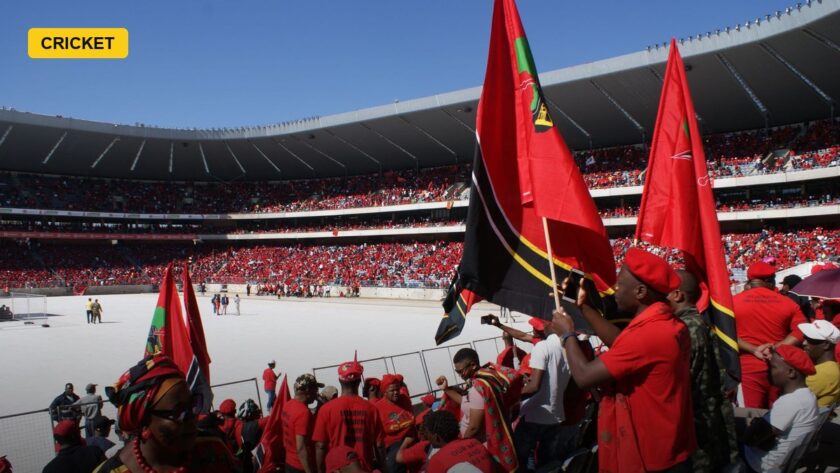
Photo: Bongani Nkwinika / PEXELS via Pexels