
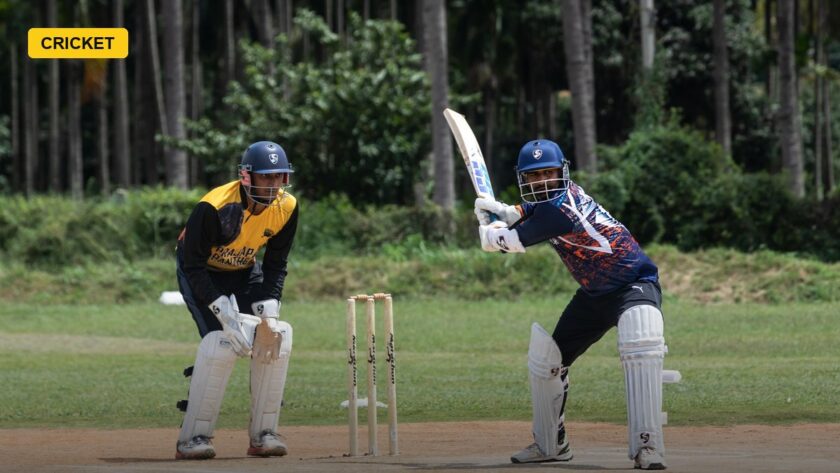
The Pakistan Cricket Board has granted former national team captain Mohammad Rizwan permission to participate in domestic cricket, according to a report from ARY News citing sources close to the board, published October 18. The decision marks a notable development for Rizwan, who had previously stepped back from the captaincy, and opens a potential pathway back into national team contention through domestic performances.
Why PCB Approval Was Required
Central contract arrangements for Pakistan’s top international cricketers typically restrict or require special clearance for participation in domestic first-class and limited-overs competitions, a structure designed to manage player workload and protect centrally contracted athletes from injury risk outside of board-sanctioned fixtures. Rizwan’s need for explicit PCB permission underscores how tightly the board manages its senior players’ schedules, even for domestic cricket within Pakistan’s own first-class structure, reflecting broader trends across major cricket boards toward centralized player management.
Rizwan’s Recent Career Context
Rizwan previously captained Pakistan’s T20I side before stepping down from the leadership role amid a period of broader upheaval in Pakistan’s cricket administration, which has seen multiple changes in both playing and selection leadership over the past year. His wicketkeeper-batsman skill set has made him a fixture across all three formats of Pakistan’s national setup for several years, and his push to feature in domestic cricket suggests a player actively working to reinforce his place in the national selection picture rather than coasting on reputation alone.
Pakistan’s Broader Selection Turbulence
Rizwan’s domestic clearance comes against the backdrop of considerable instability within Pakistan’s cricket selection structure, including Misbah-ul-Haq’s resignation from the national selection committee earlier this year, a departure that left the board needing to reconstitute its player selection leadership during an already demanding international calendar. This turbulence has coincided with an unusually busy stretch of fixtures for Pakistan, including the recently concluded ODI tri-series against England and Sri Lanka and an upcoming Test series in November, making stable and well-informed selection decisions particularly important for the team’s performance across formats.
The Case for Encouraging Domestic Participation
Cricket administrators and former players have long argued that international stars playing domestic cricket, even sparingly, benefits the broader health of a country’s cricket structure by raising the standard of competition and giving emerging domestic players direct exposure to international-caliber performers. Advocates for this approach point to other cricket boards, including Australia’s Sheffield Shield system, where centrally contracted internationals periodically appear in domestic first-class matches specifically to maintain form and support the broader domestic competition’s prestige and standard.
The Workload Management Counterargument
Critics of allowing heavily used international players to add domestic fixtures to an already packed calendar point to the risk of burnout and injury, particularly for a wicketkeeper-batsman like Rizwan whose role demands physical durability across all formats of the international game. Pakistan’s cricket calendar for the remainder of 2026 already includes multiple international series, and some observers have questioned whether adding domestic commitments, even with PCB approval, creates unnecessary additional physical strain during an already demanding period.
What’s Next
How Rizwan performs in his domestic appearances, and whether those performances factor into Pakistan’s selection decisions for upcoming international series, will offer the clearest signal of whether this arrangement functions as a genuine pathway back to an expanded national role or simply as a sanctioned opportunity to maintain match fitness between international assignments. Pakistan’s selectors will be watching closely as the team navigates a turbulent administrative period heading toward its next major international commitments.
Photo: Anil Sharma / PEXELS via Pexels