
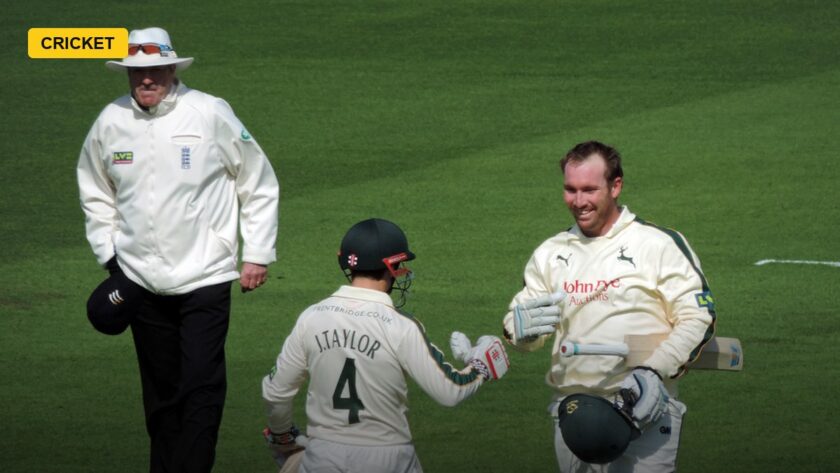
West Indies batter Shai Hope struck a century in the fourth T20I against India in Hyderabad on October 14, a standout individual performance that highlighted the touring Caribbean side’s batting depth even as the broader series unfolded on India’s home turf. Hope’s innings stood out partly for its rarity, given that centuries in the T20I format remain considerably less common than in ODIs or Tests, requiring both a sustained strike rate and the good fortune to bat through a full innings without early dismissal.
A player rebuilding his T20I profile
Hope has historically been better known for his red-ball and ODI batting than for explosive T20I performances, making this century something of a statement about his evolving range as a batter capable of contributing across all three formats for West Indies, a versatility selectors have increasingly valued given the Caribbean board’s thinner player pool compared with cricket’s wealthier nations.
The series context
The Hyderabad century came in the fourth match of a series that tested a West Indies squad touring India primarily to gain experience against a top-ranked opponent on unfamiliar, typically spin-friendly subcontinental surfaces, conditions that have historically proven difficult for Caribbean batters raised on faster, bouncier home pitches. Performing well in these conditions carries disproportionate developmental value for West Indies cricket given how rarely the team tours the subcontinent compared with other major nations.
Two views on what the innings means for West Indies
Optimistic voices within West Indies cricket point to Hope’s century as evidence that the team’s batting unit, despite well-documented structural challenges facing Caribbean cricket more broadly, retains individual talent capable of competing with the world’s best opposition even in genuinely hostile touring conditions. More skeptical observers note that a single standout century, however impressive, does not by itself resolve the deeper, systemic challenges facing West Indies cricket, including domestic structure, player retention against more lucrative T20 league contracts, and overall team consistency across a full series rather than isolated individual moments.
India’s response
India’s own squad management used the series partly to assess fringe players and bowling combinations ahead of the more consequential New Zealand tour that followed shortly after, meaning results against West Indies, while still competitive, carried somewhat less selection weight than series against higher-priority opponents later in India’s international calendar.
What’s next
With the India series concluded, Hope and the broader West Indies squad return to a busy international calendar that includes further white-ball commitments and ongoing efforts to rebuild the team’s competitiveness across formats. His Hyderabad century is likely to be referenced as selectors weigh his role across the team’s T20I batting order going forward. Team management and board officials have said further updates will follow as the situation develops, with most stakeholders expecting incremental rather than dramatic changes in the near term. Analysts covering the sport say the next series of results, selection calls or board decisions will matter more than any single announcement made so far in shaping how this story is ultimately remembered. Those close to the teams involved say additional clarity is expected to emerge gradually over the coming weeks rather than through any single definitive statement, consistent with how similar situations have typically unfolded in international cricket. Supporters on various sides of the debate say they expect the conversation to continue well into the new year, given how unsettled several of the underlying questions remain at this stage of the season. Former players turned commentators say the coming weeks will offer the clearest test yet of whether this storyline develops as expected or takes a different turn given how quickly circumstances can shift across a long cricket season. Team management and board officials have said further updates will follow as the situation develops, with most stakeholders expecting incremental rather than dramatic changes in the near term. Analysts covering the sport say the next series of results, selection calls or board decisions will matter more than any single announcement made so far in shaping how this story is ultimately remembered. Those close to the teams involved say additional clarity is expected to emerge gradually over the coming weeks rather than through any single definitive statement, consistent with how similar situations have typically unfolded in international cricket. Supporters on various sides of the debate say they expect the conversation to continue well into the new year, given how unsettled several of the underlying questions remain at this stage of the season.